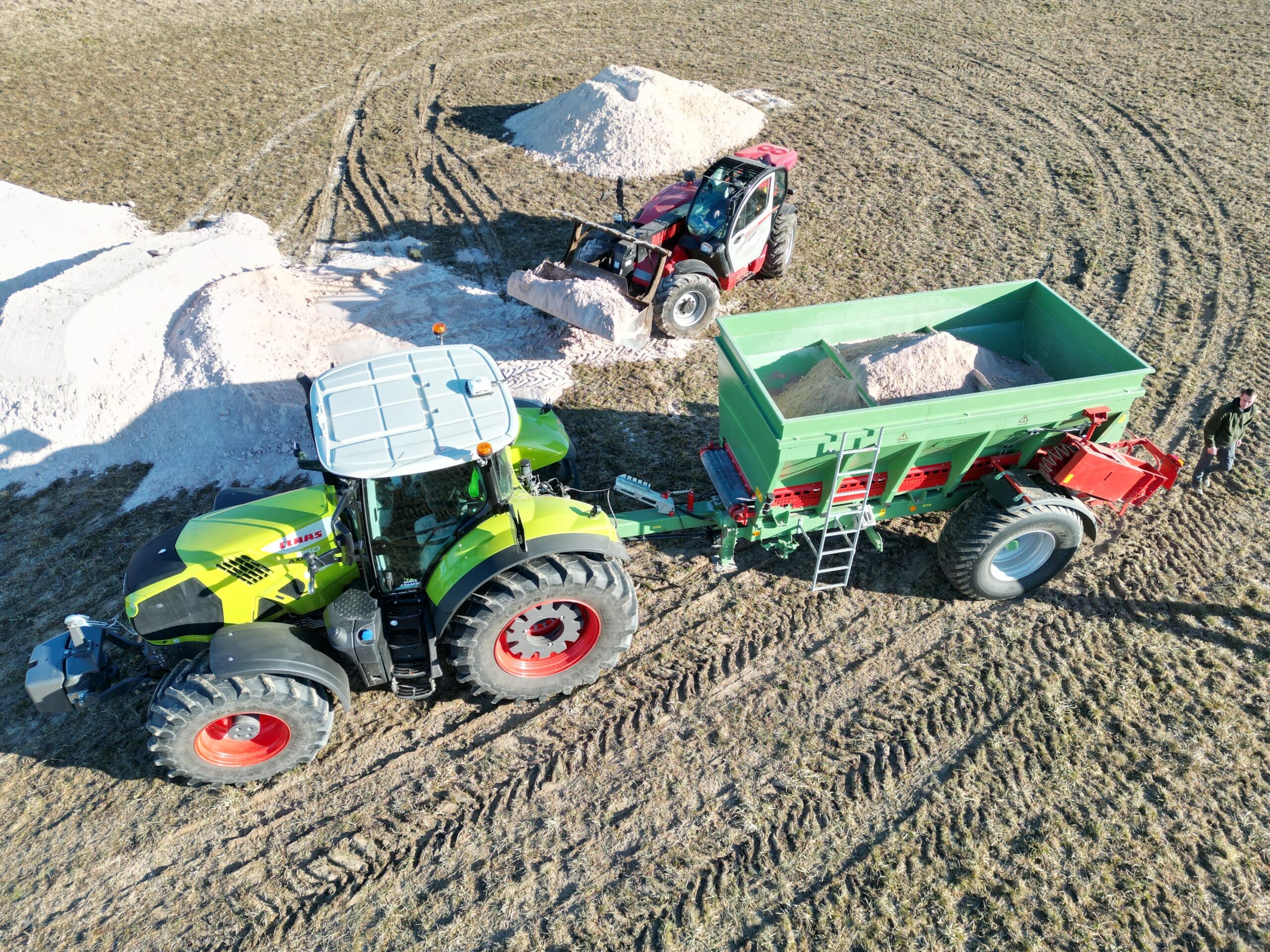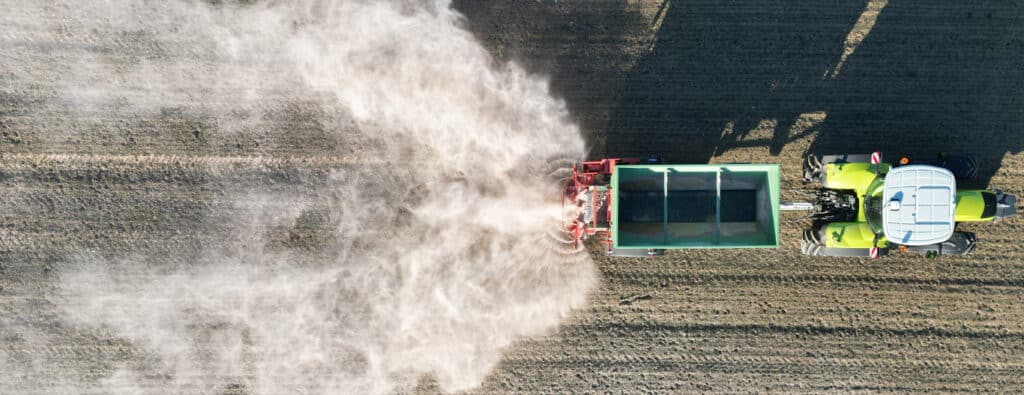

Lime is a proven and versatile raw material in modern agriculture. It plays a central role in the production and application of agricultural products – whether for improving soil structure, regulating pH levels, as a source of calcium in animal feed, for odour control in manure treatment or for stabilising organic residues. Lime improves biological activity in the soil and supports humus formation. On pastures, especially wet pastures, lump lime has a preventive disinfecting effect against parasites in farm animals.
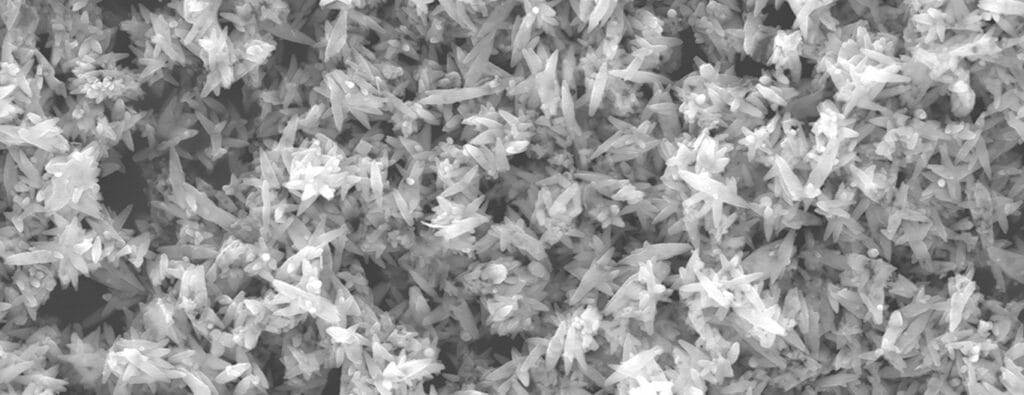
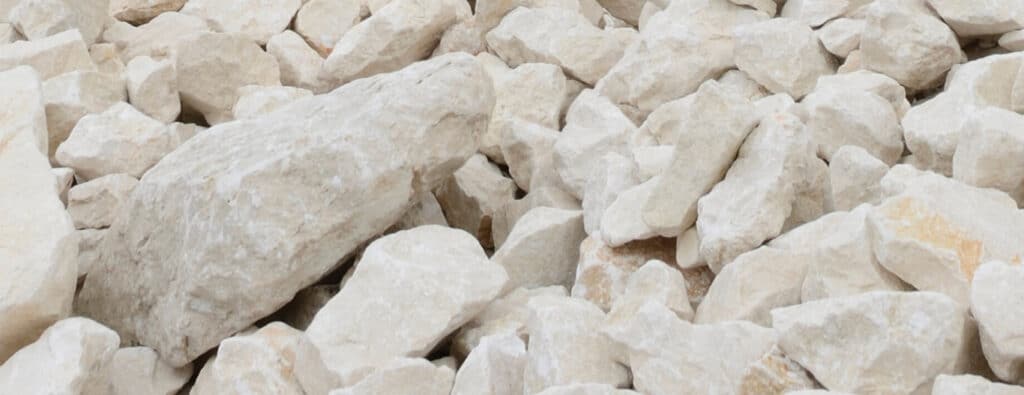
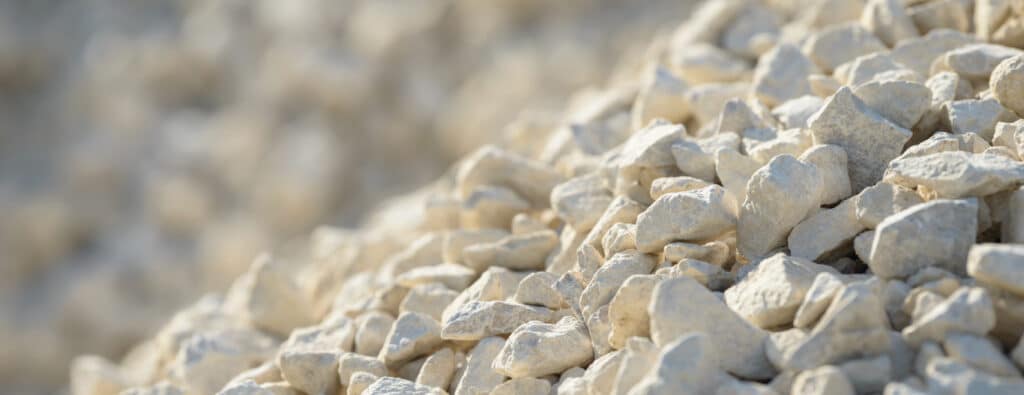
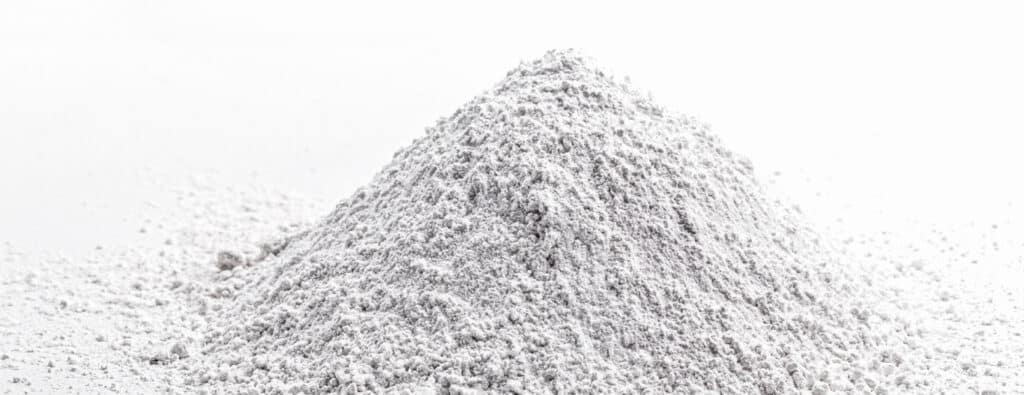
The targeted use of lump lime or quicklime (CaO), hydrated lime (Ca(OH)₂) and calcium carbonate (CaCO₃) can increase yields, promote animal health and efficiently meet environmental requirements. The Calmit Group’s lime products are specially tailored to the requirements of the agricultural industry and offer solutions for farms, feed manufacturers, fertiliser producers and environmental technology providers.
Versatile applications for lime in agriculture
Calcium carbonate plays a central role in soil improvement. In addition to regulating the pH value, it optimises the soil structure and thus increases the availability of nutrients. Furthermore, lime promotes biological activity in the soil and contributes significantly to humus formation.
In animal nutrition, high-purity calcium carbonate serves as an important source of calcium in feed for farm animals, thereby supporting their health and performance. Hydrated lime is used in manure treatment and emission control. It reduces odour emissions and binds ammonia. Hydrated lime thus improves the storability of manure. Lime products are also used in plant protection and fertiliser production as carriers and pH buffers to ensure the effectiveness and stability of the products. In composting and waste treatment, lump lime supports the hygienisation and stabilisation of organic waste, thus contributing to a sustainable circular economy.

Our product solutions – tailored to agricultural applications
Do you produce agricultural products, run a livestock farm or want to optimise your soil and manure management? Our sales staff will be happy to advise you on the right lime products.
- Quicklime and hydrated lime for manure treatment, composting, moisture regulation and soil improvement.
- High-purity calcium oxides and hydroxides (fine lime, micronized lime and hydrated lime) as a calcium source in animal nutrition and for special applications in environmental technology.
- Calcium carbonate powders (Agrocal) with defined grain structure for animal feed and fertilisers.