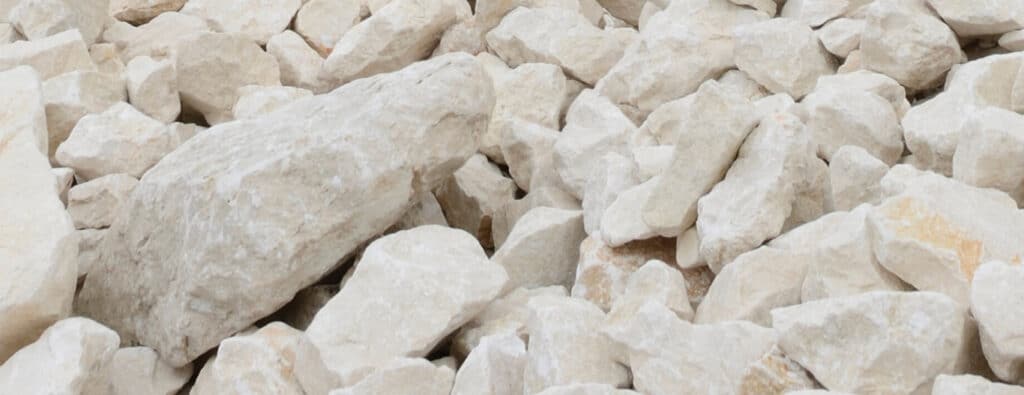
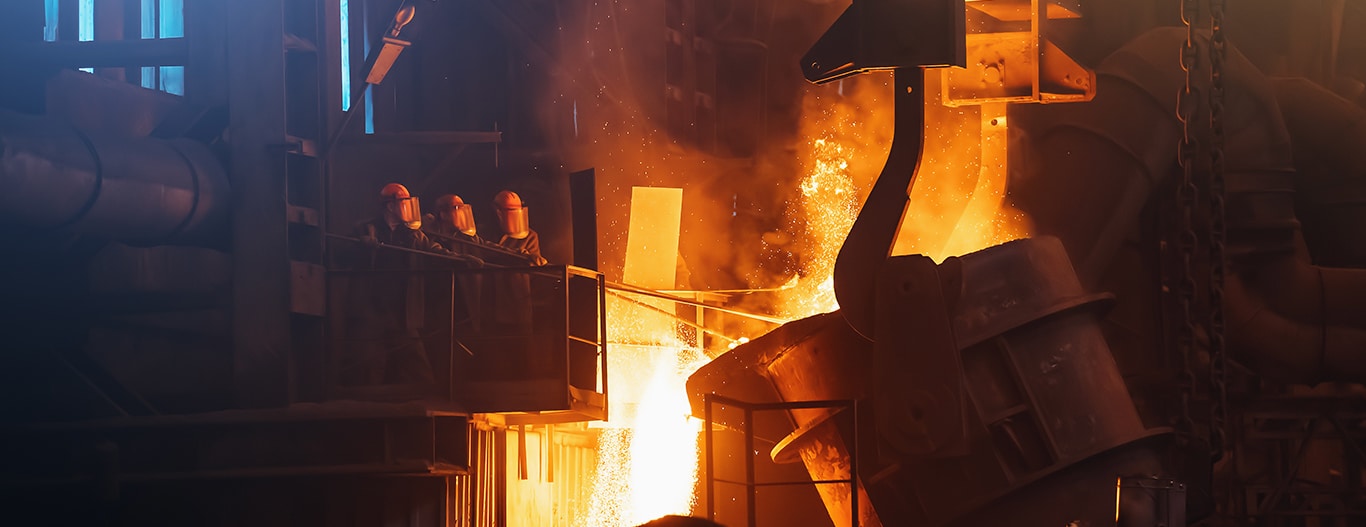
Lime is indispensable in iron and steel production. Quicklime or lump lime (CaO), hydrated lime (Ca(OH)₂) and calcium carbonate and dolomite products control slag chemistry, support desulphurisation/dephosphorisation, protect refractory materials and improve energy and process parameters – from sintering to secondary metallurgy. With the right specifications, you can ensure consistent steel quality, shorter tap-to-tap times and robust compliance in environmental processes.
Why lime is indispensable in steelworks
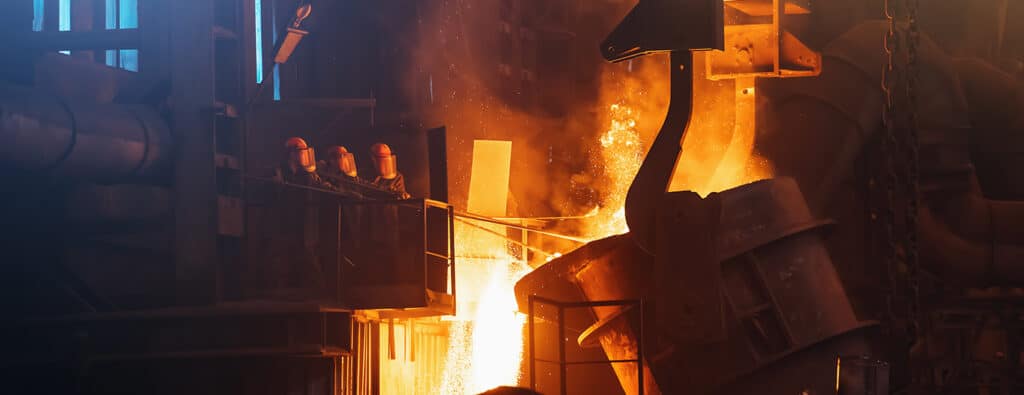
Lime is indispensable in modern steelworks and performs key functions in various process steps. Through targeted slag control and an increase in the CaO/SiO₂ ratio, lime promotes the binding of phosphorus and sulphur and ensures homogeneous, free-flowing slag. This enables efficient reactions in BOF/LD, EAF and LF units. Reactive quicklime accelerates hot metal desulphurisation, for example in the KR process or in the desulphurisation ladle and supports phosphorus reduction in the converter. Foamy slag stability in the EAF and MgO saturation through dolomite ensure stable furnace performance and protect refractory materials, reducing refractory wear and ensuring consistent tap-to-tap times.
Lime also plays a key role in environmental processes: hydrated lime is used for flue gas desulphurisation (FGD), for neutralising pickling and process waters, and for stabilising dust-containing residues. In the preliminary sintering/pelletising stage, fine-grained limestone or dolomite acts as a flux to improve the sintering quality, permeability and strength of DRI/pellets.
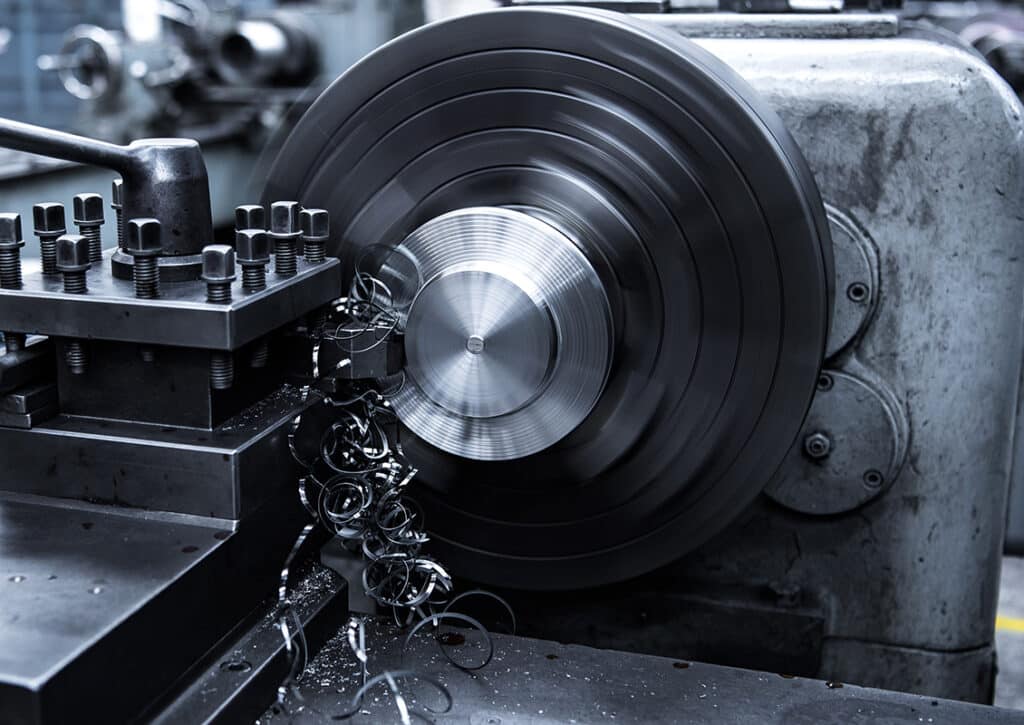
Typical areas of application at a glance
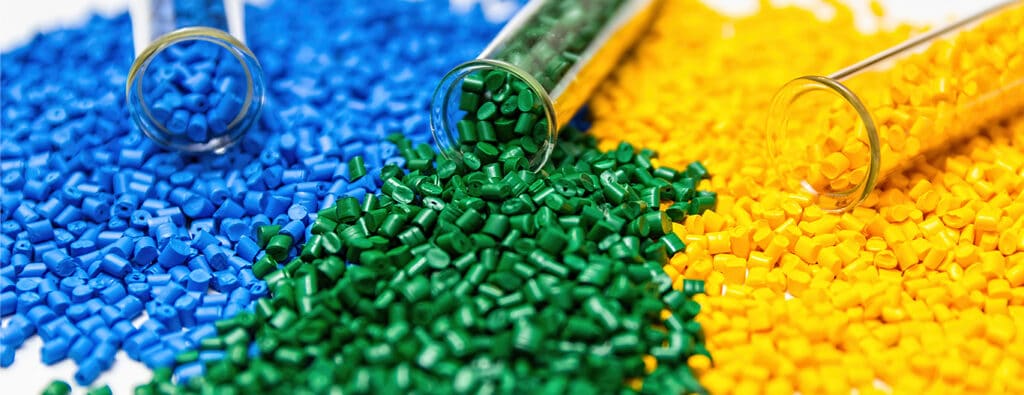
Sintering & pellets: Fine-grained CaCO₃/dolomite is used to achieve optimum basicity, improves sintering pressures and ensures stable operating conditions in the blast furnace.
Blast furnace & hot metal: Quicklime is used to neutralise SiO₂, bind sulphur and modify the slag.
BOF/LD & secondary metallurgy (LF, VD/VOD, AOD): The addition or injection of lime supports the separation of phosphorus and sulphur, enables the formation of foam and cover slag, serves to deoxidise and protects refractory linings.
EAF: Foamy slag stabilisation (CaO + C) enables slag conditioning and contributes to flue gas cleaning.
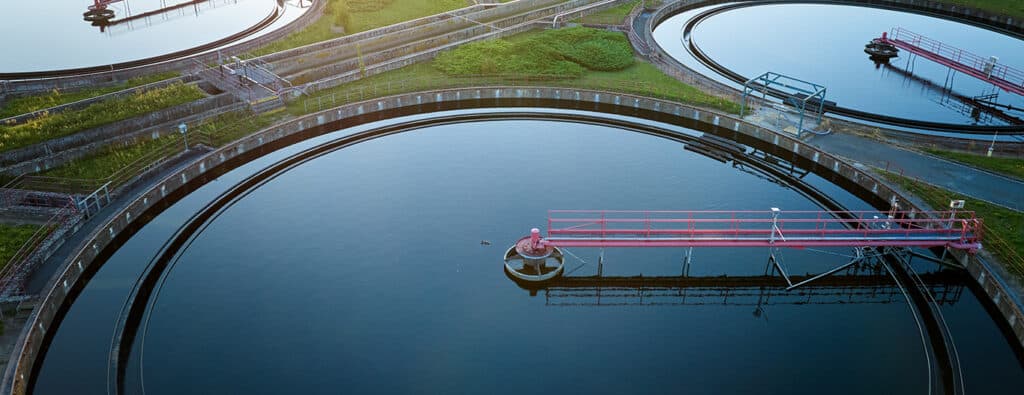
Flue gas/water: Hydrated lime is used in flue gas desulphurisation (FGD), in the separation of HF/HCl (depending on the location) and for pH control in wastewater streams.
Product solutions – reliable B2B partners
- Lump lime & hydrated lime for the steel industry: Reactive CaO and Ca(OH)₂ for BOF/EAF, hot metal desulphurisation, slag control and environmental processes.
- High-purity calcium oxides/hydroxides (milled lime, micronized lime and hydrated lime): Tight specification control and reactivity for converter/ladle metallurgy and flue gas treatment.
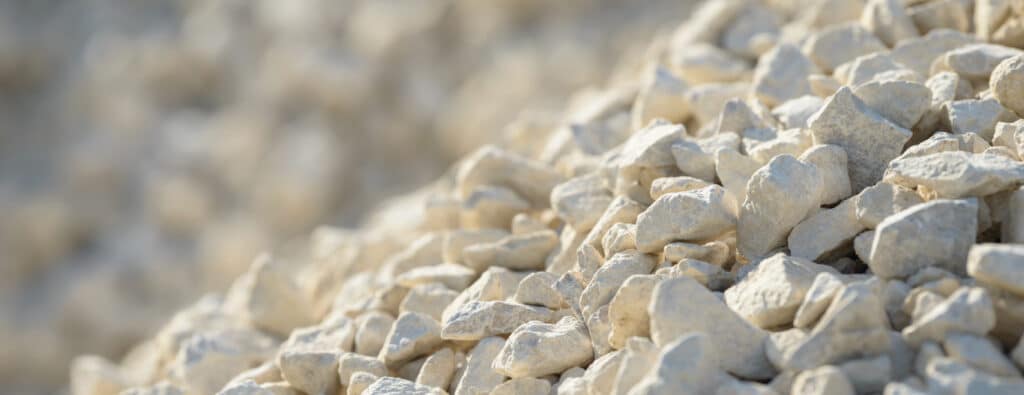
- Calcium carbonate & dolomite products (PCC and minerals): Precise grain size control for sinter/pellet fluxing, slag fine-tuning and water/flue gas-related applications.
The optimal product selection depends on your target values and requirements. Our sales staff will be happy to assist you with the specification.